The power of storytelling lies in its ability to take many forms. Sometimes, we don’t need just words, dialogue, or a beginning and an end; it can be showcased through atmosphere, movement, color, texture, and the way different elements are brought together. Fashion offers a particularly fluid medium for this kind of communication because what we wear can carry memories. In this sense, garments become more than an object, it becomes part of a visual language through which an idea can be suggested rather than explicitly explained.
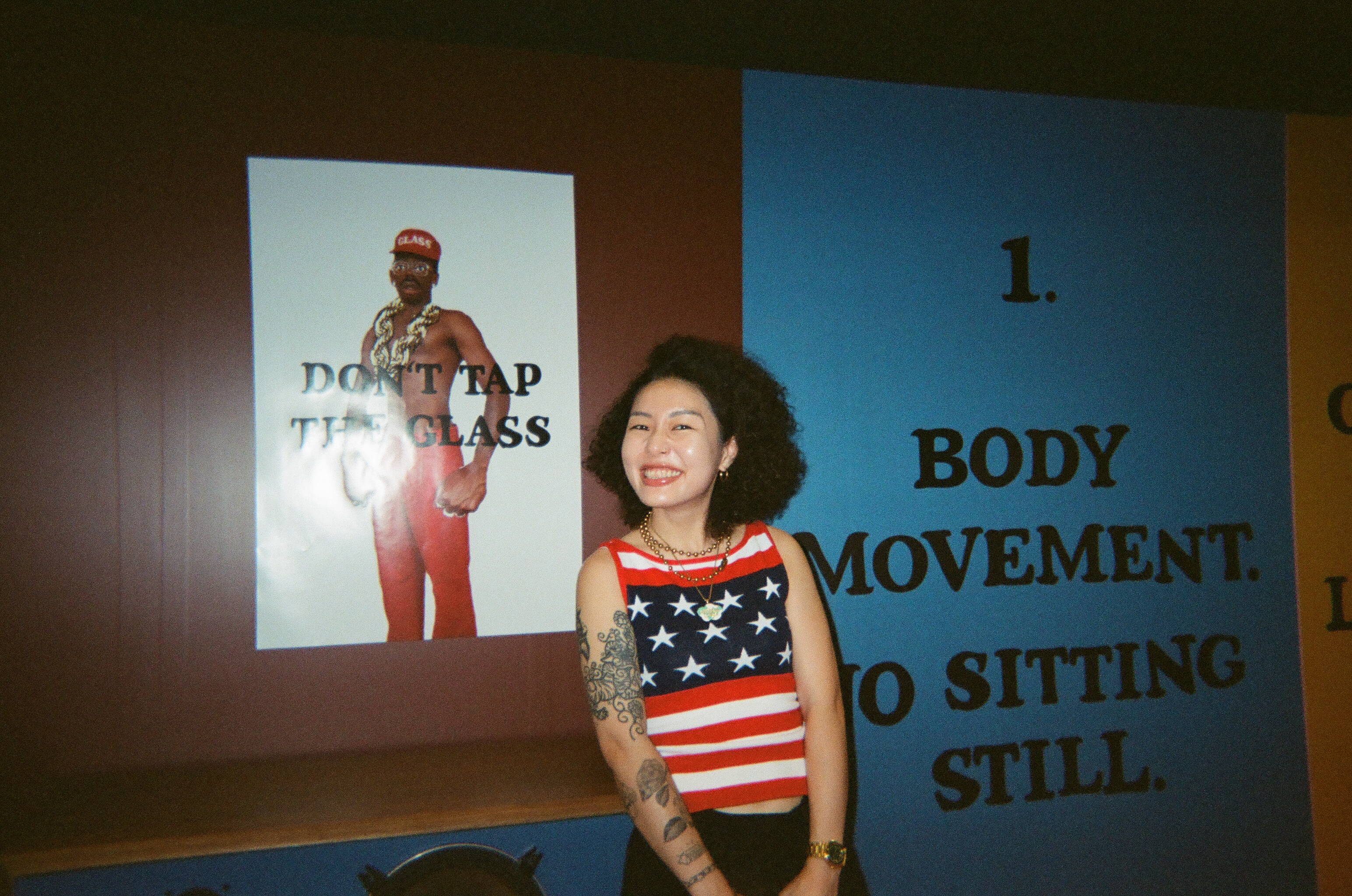
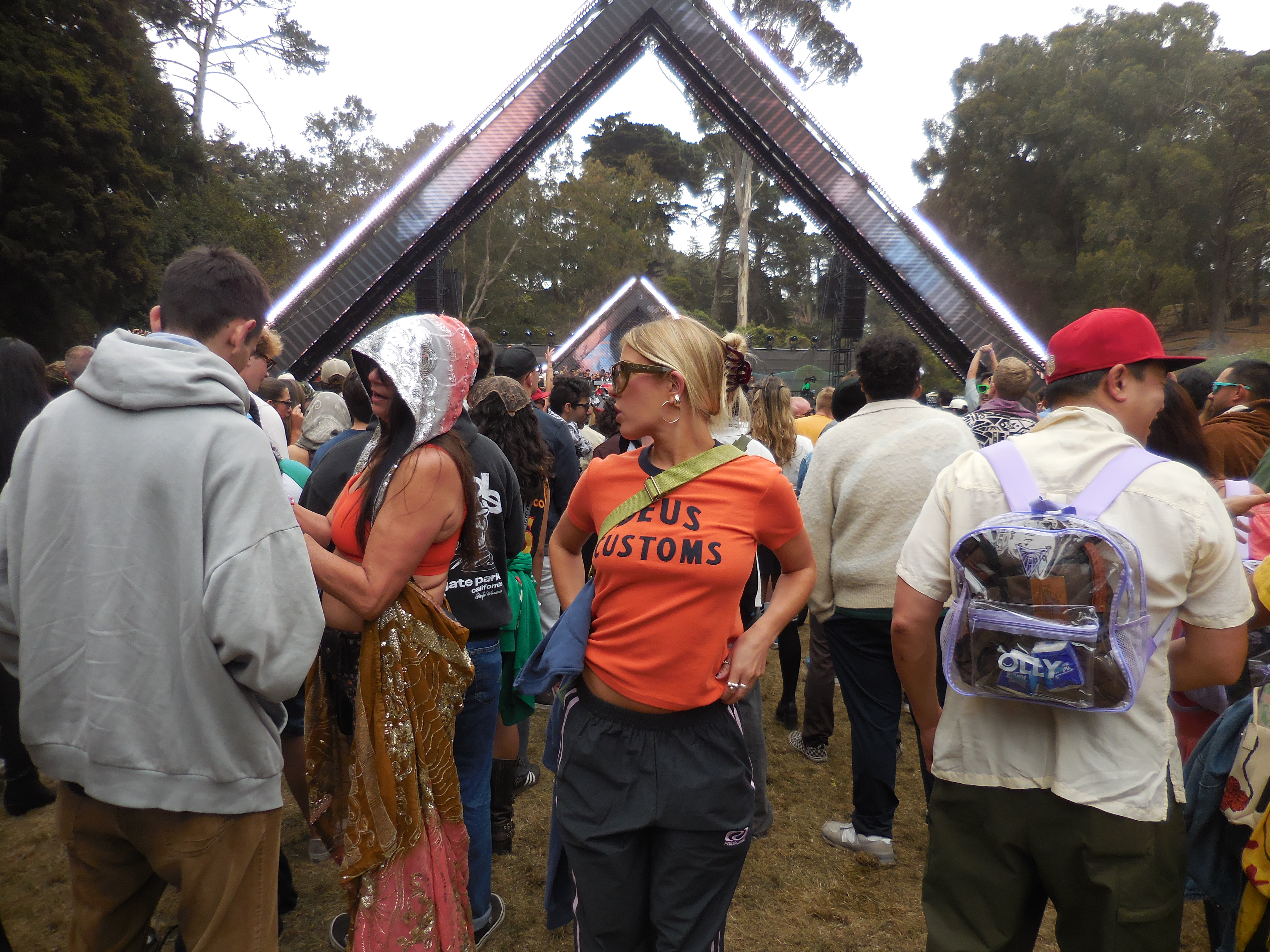
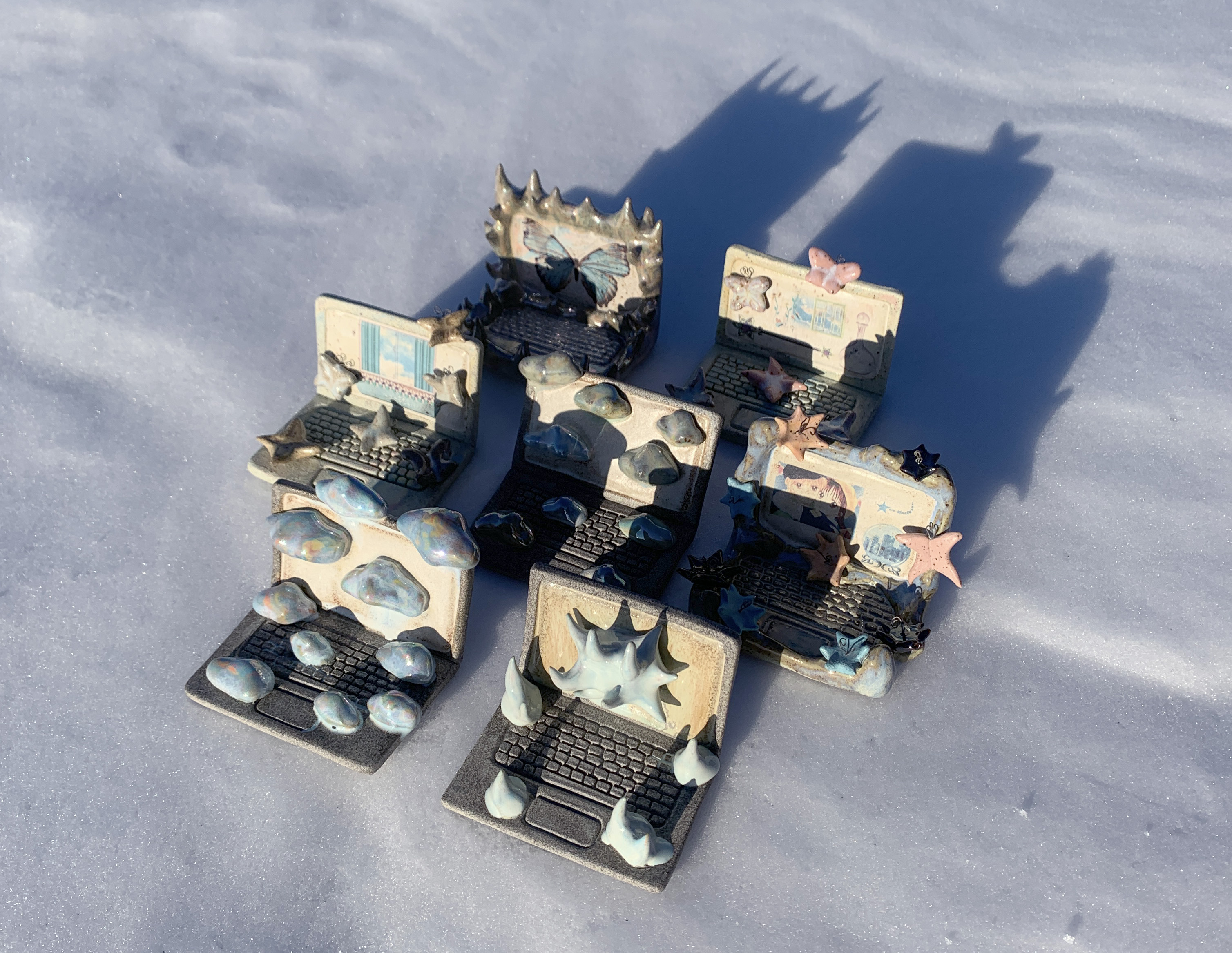
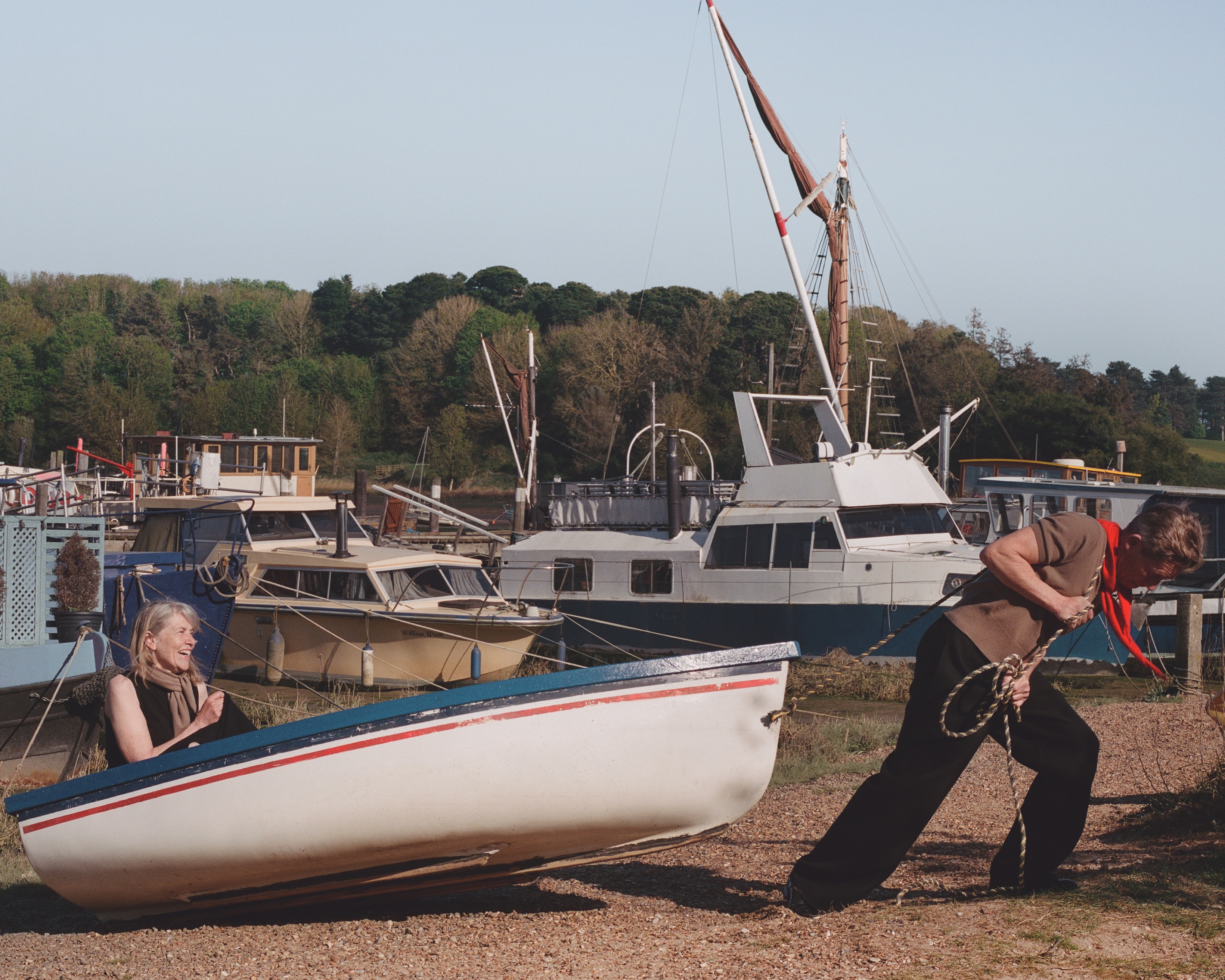
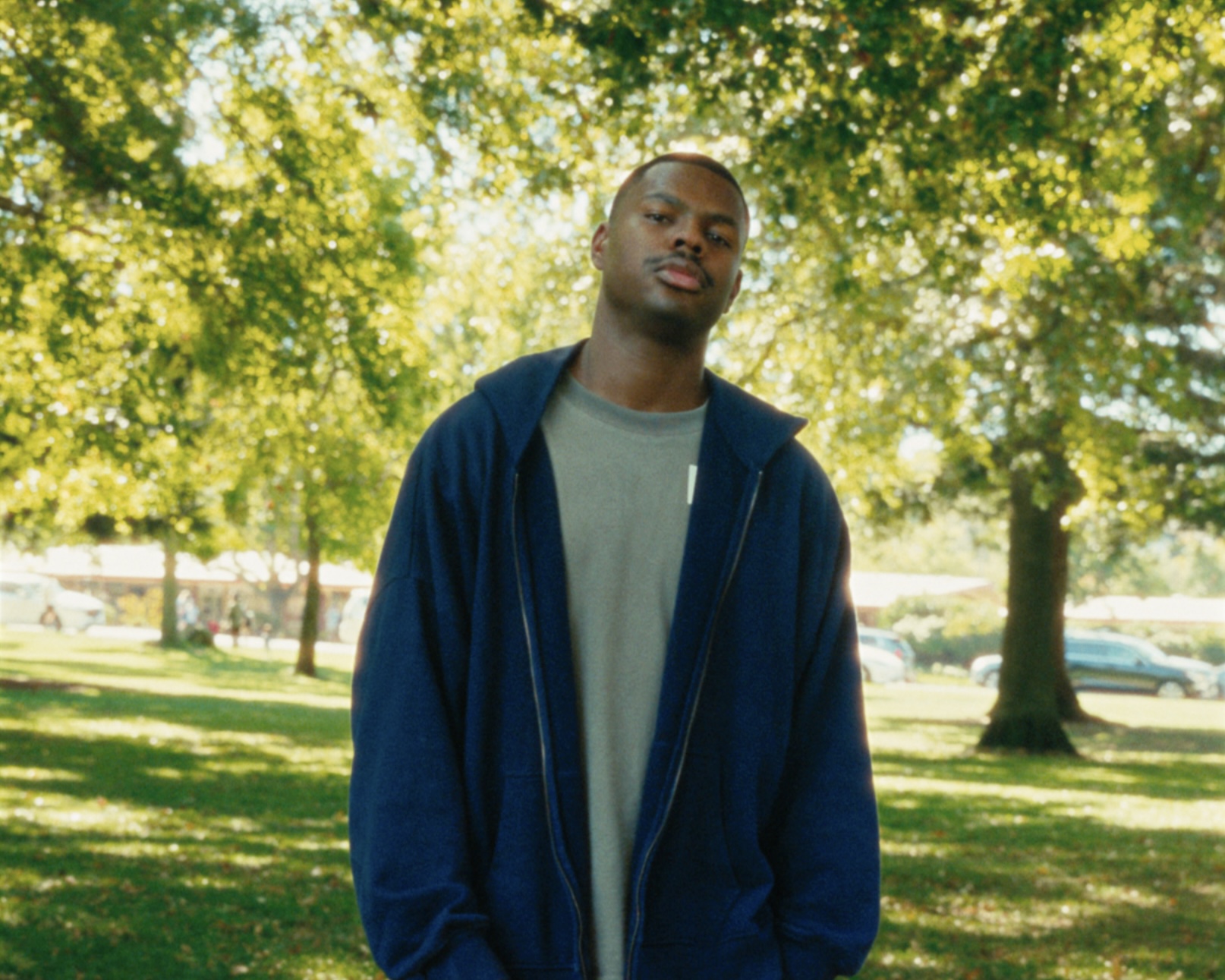
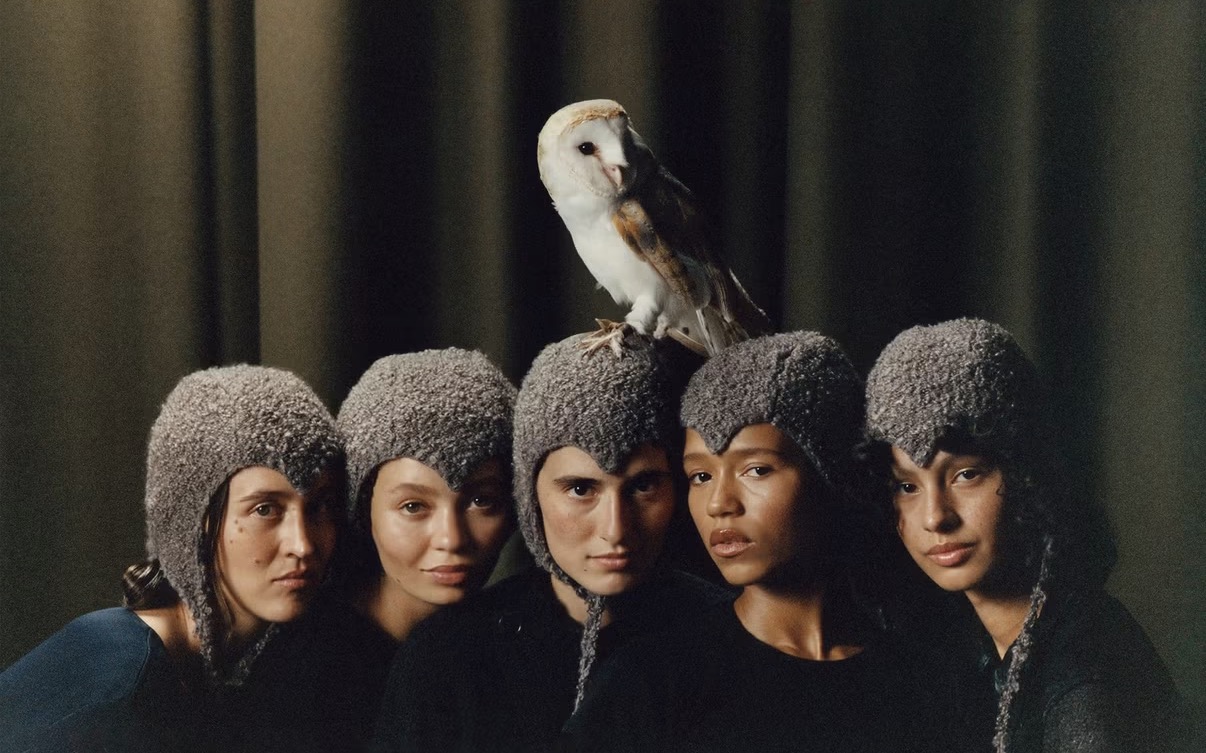
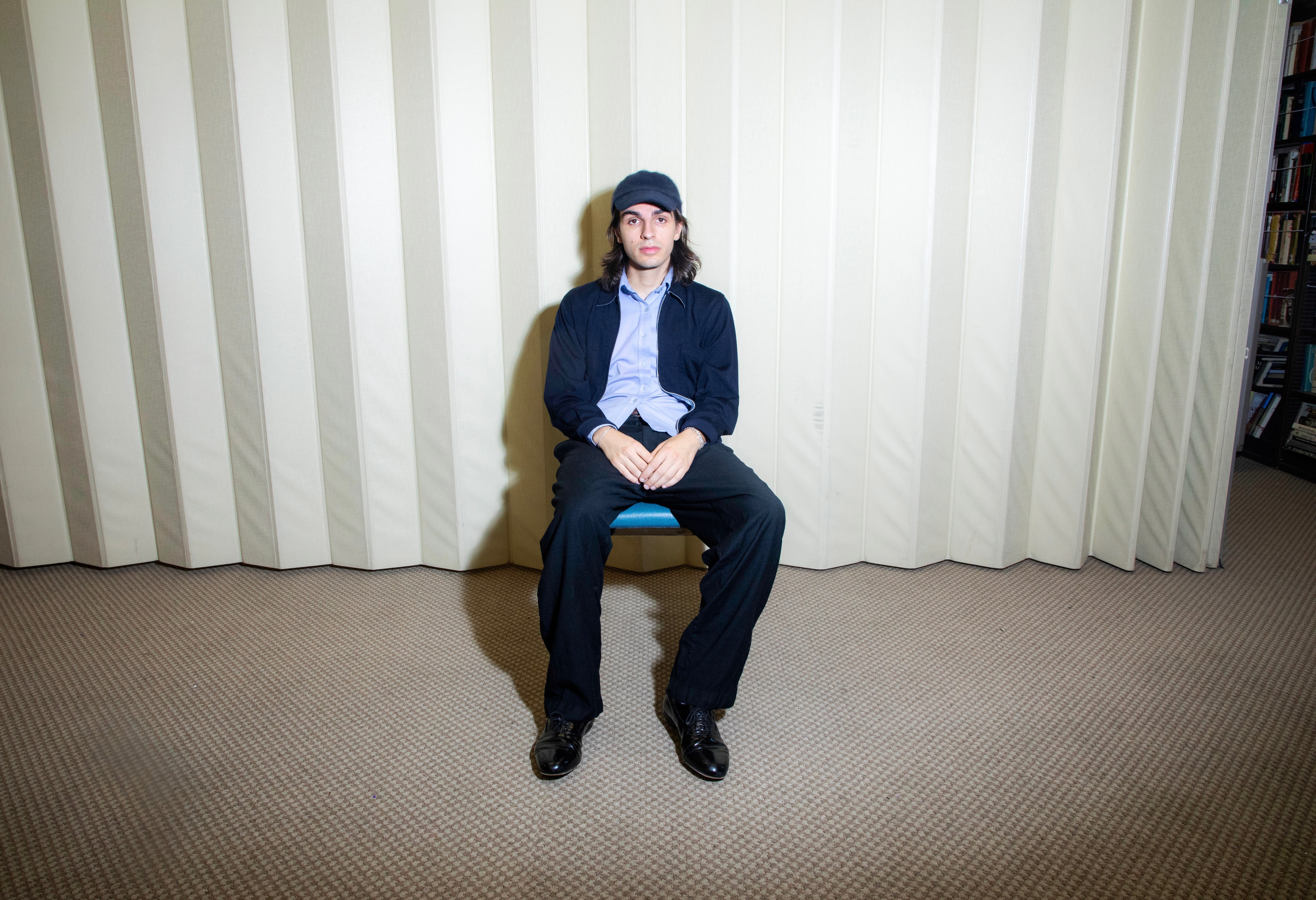
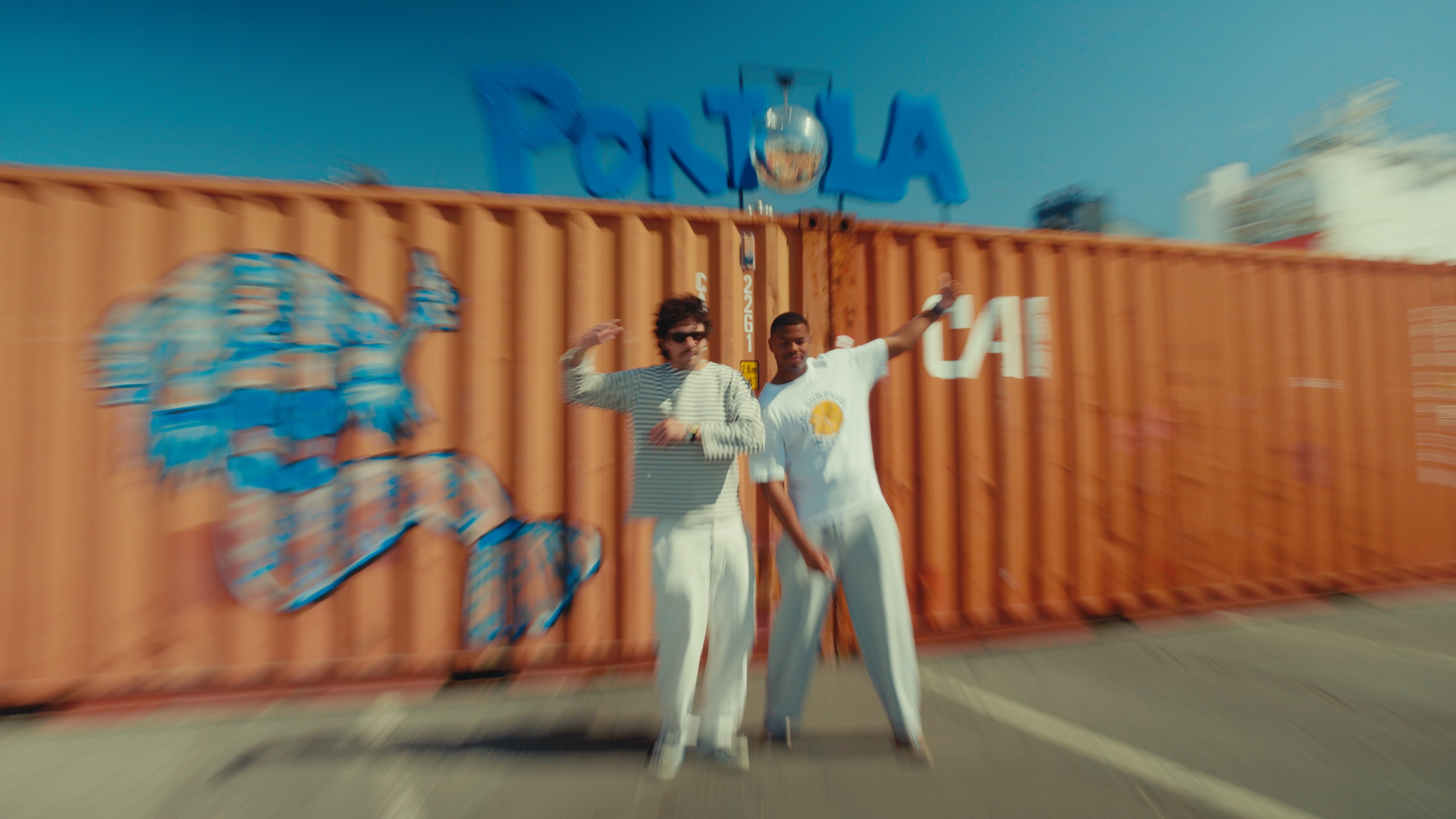
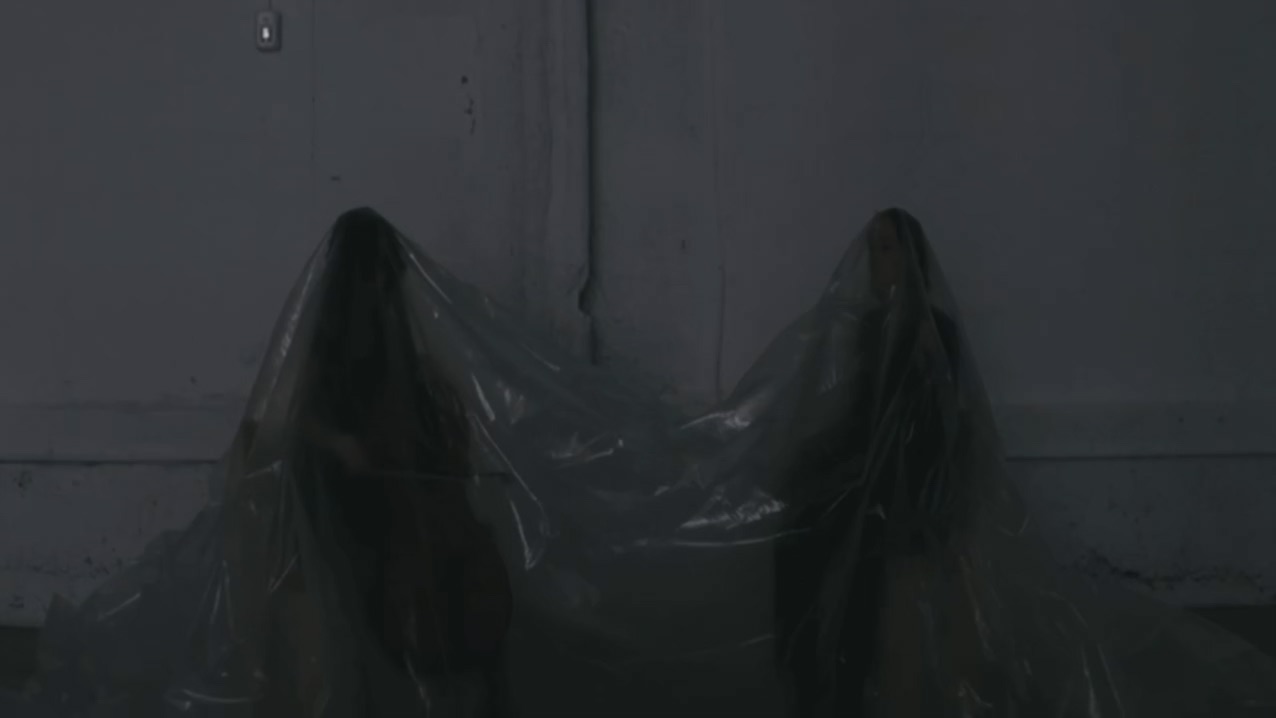
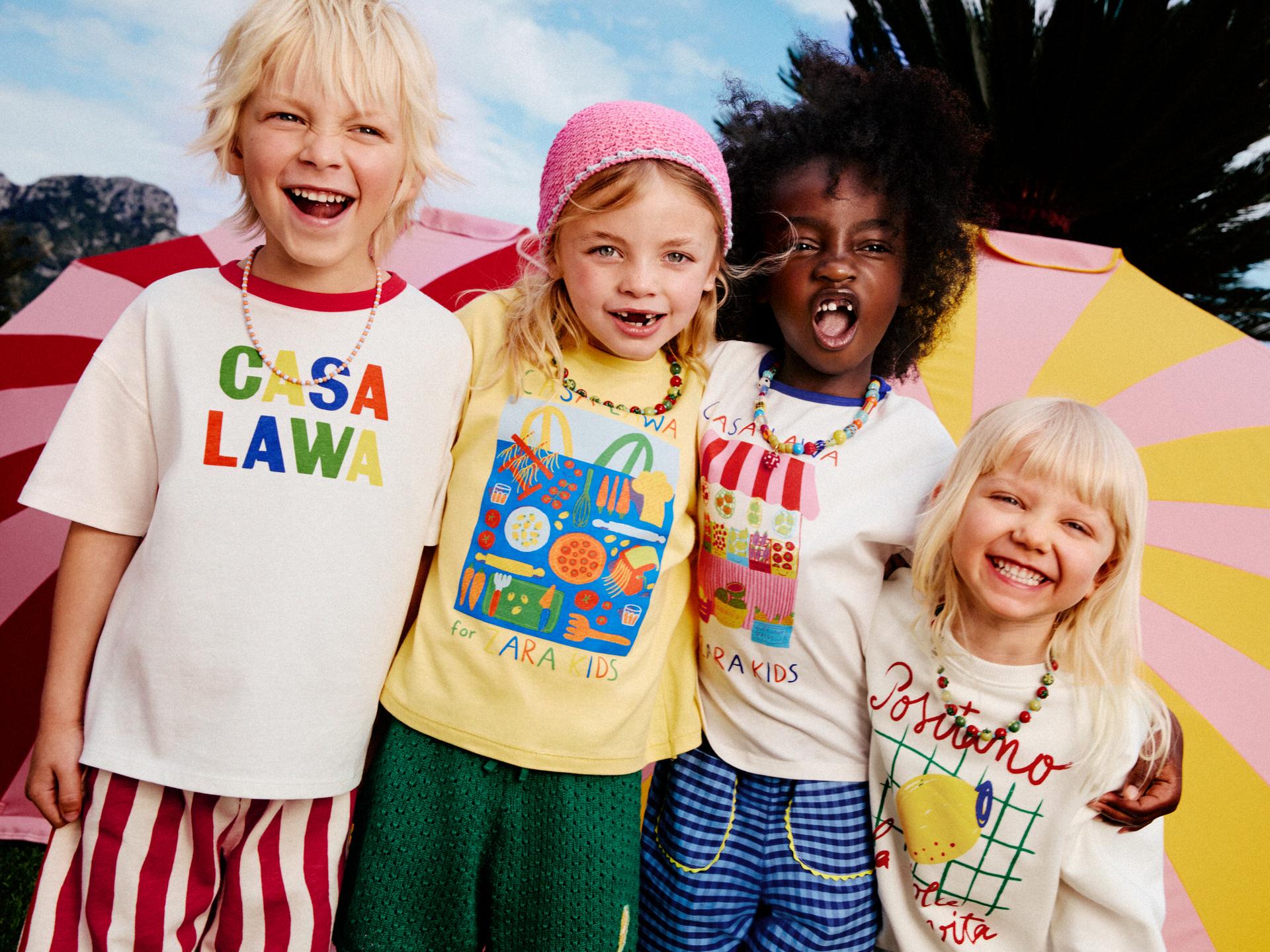
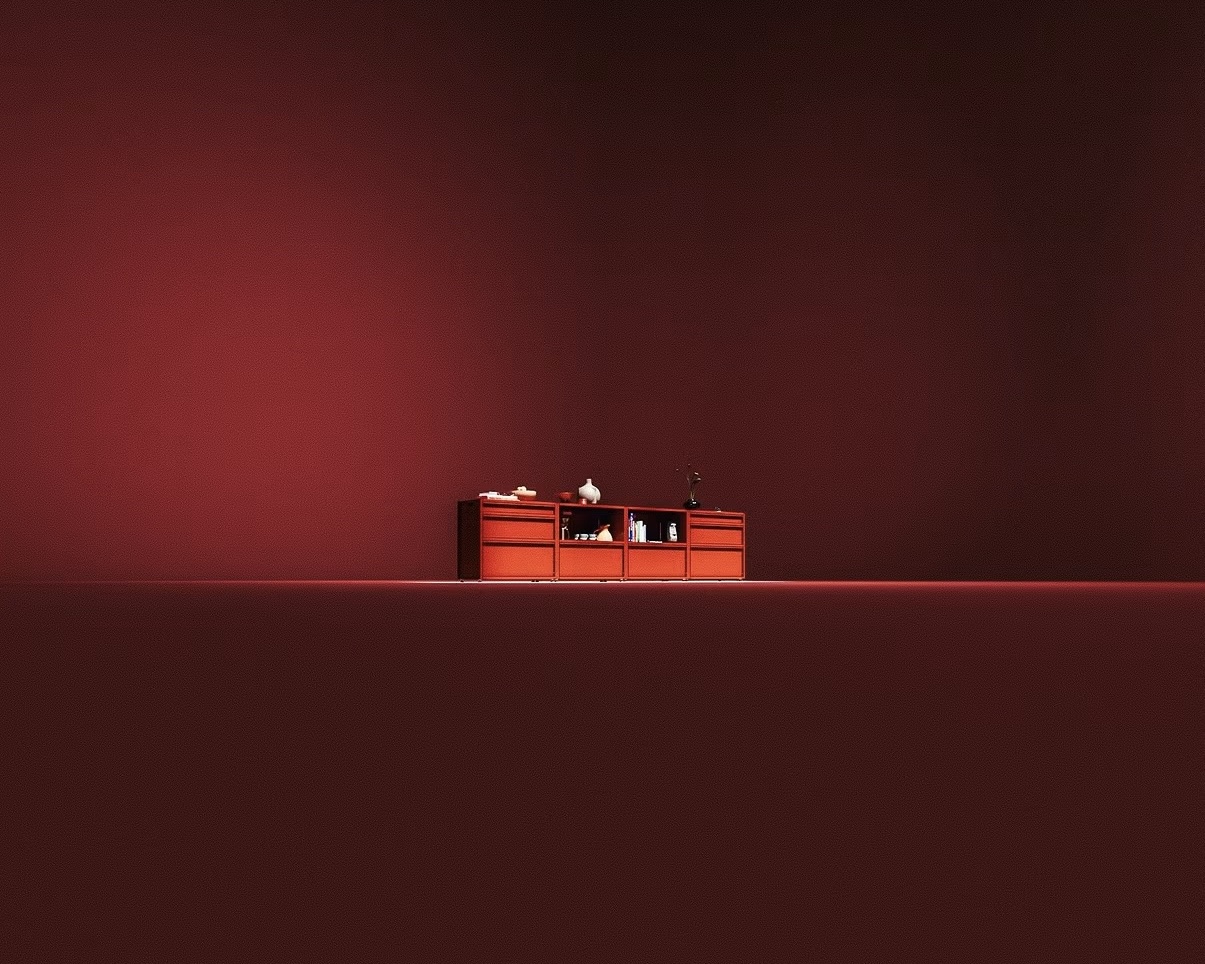
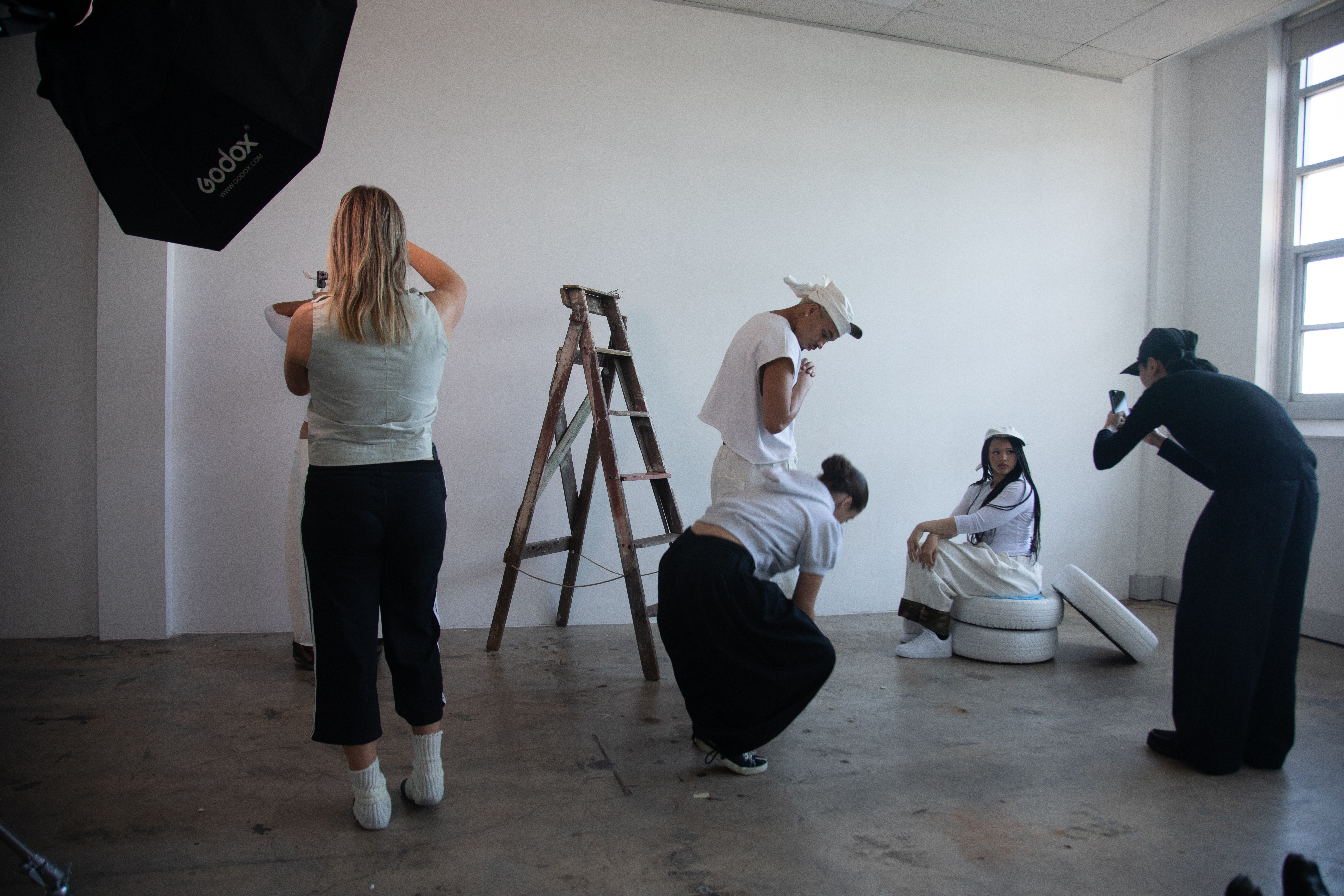
Jahnvi Bansal’s work, shaped through the creative direction of Dulari, demonstrates how that language can be developed into a distinct visual world. The approach highlights the relationship between styling, image-making, and context, allowing the clothes to exist within a larger subject rather than just pieces. The impact comes not only from the garments themselves, but from how they are framed: the composition, setting, proportions, and visual details work together to establish a particular feeling. It is this consideration of the larger picture that allows the imagery to move from simply presenting what someone is wearing to communicating something about who they are.
This kind of narrative-building can also be made accessible far beyond the world of fashion editorials. A person might tell a story through the way they combine clothing inherited from family members with contemporary pieces, document the evolution of their personal style, or use photography and video to explore a particular memory or cultural reference. Others might use illustration, design, music, or digital content to bring an idea to life. That’s the beauty of storytelling, it gives us the freedom to explore new ideas and discover different ways to tell a story.
What makes this approach especially compelling is the space it leaves for interpretation. Rather than presenting an audience with a single, fixed meaning, visual storytelling can offer fragments that viewers connect to their own experiences. Her work reflects the possibilities that emerge when fashion is treated as a medium for ideas rather than simply a product to be displayed. It encourages us to consider the ways ordinary forms of self-presentation can become creative acts, and how the stories we construct, whether through what we wear, photograph, collect, or share can communicate aspects of ourselves that words sometimes cannot.