Oakland has become fluent in a language no city should have to learn, the language of goodbye. When the Roots took the field at the Coliseum for the final time this October, it marked the end of a two-season stay and, in all likelihood, the close of professional sports at a stadium that has defined Oakland’s sporting identity for decades. The club said the building was not built for soccer, citing costs and a lack of control over the experience. Both things can be true. The Coliseum can fail a team on paper and still mean everything to the people who gather there.
What stood out most was how little the night depended on the match. A 0-0 draw is not the stuff of legend, yet the energy around it felt closer to a ceremony than a game. Supporters filled the lot with drums and banners, walked the field before kickoff, and treated the evening as something to be marked rather than simply watched. Fireworks, live music, and a closing performance from Oakland artist Goapele gave the night a sense of occasion, but it was the people who carried it. Soccer culture here has always been rooted in community first, and that showed in every chant and every face in the stands.
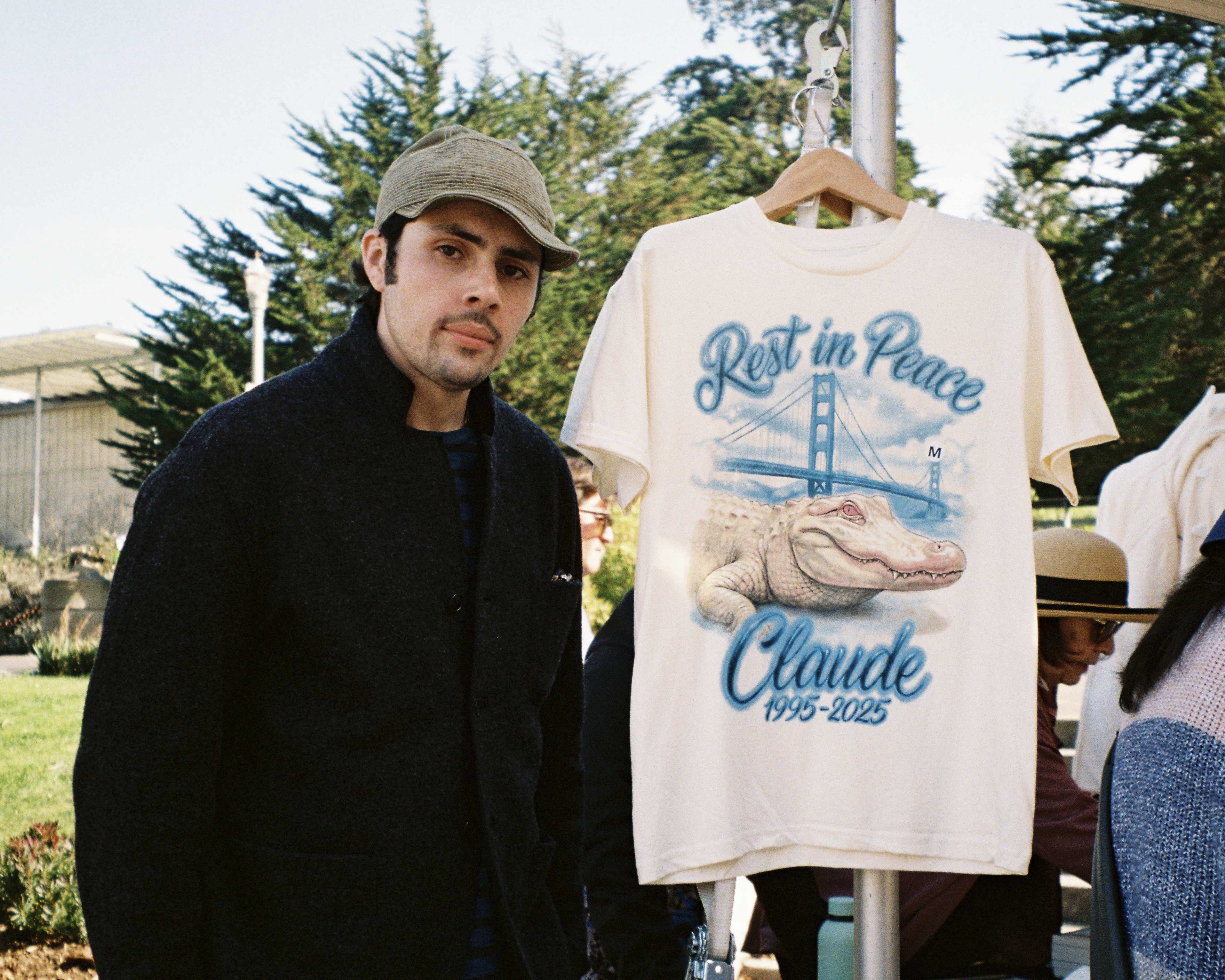
We had the opportunity to be around that atmosphere, and it speaks volumes about the energy of the Bay Area. There is a feeling you only understand by standing in it, a mix of pride and loss that does not need to be explained to the people who share it. The Coliseum has held Raiders Sundays, A’s summer nights, and a generation of memories that stretch well beyond sports.
That is what makes the Roots’ farewell so special. They are an Oakland club, built by Oakland natives, filling a stadium others had left behind and trying to prove the city could still show up. The team’s impact speaks for itself, and the supporters will follow. But the Coliseum will linger in a different way, as proof that a place becomes sacred through the people who keep returning to it.